Beyond the Wine List: Cask Ale and the British Pudding Table
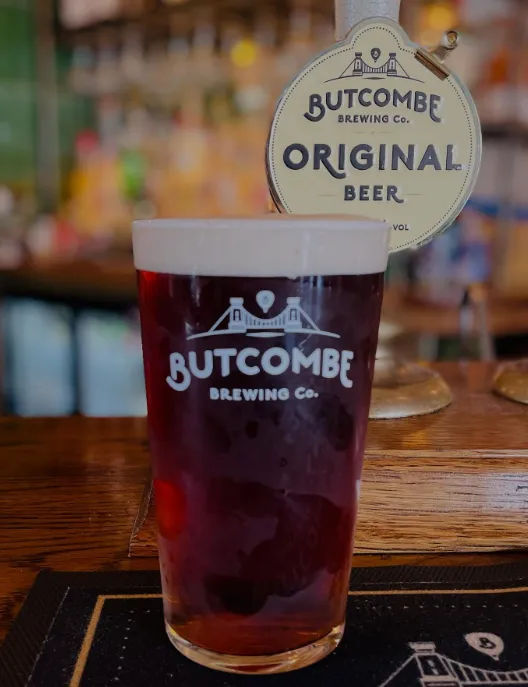
Photo: 55belgianbeerfan, CC0, via Wikimedia Commons
There is a moment at the end of a pub meal when the pudding menu arrives and someone reaches for the wine list. It is a habit, not a rule. Beer has been sitting alongside British puddings for far longer than most of us realise. A mild with treacle tart, a porter with sticky toffee, a golden ale with crumble — these are not stunts. They are sensible, delicious pairings that deserve a place at the table.
At The Woolpack Inn, we are not here to ban wine. A good glass of something sweet has its place. But cask ale brings something different to the dessert course: freshness, carbonation, a gentle bitterness and a range of roast and fruit flavours that can flatter a pudding rather than fight it. The trick is to think about what the beer is doing, not just what it tastes like on its own.
The simple rule: match the weight, cut the richness
The first principle of pudding and pint is weight. A delicate lemon posset will be swamped by an imperial stout. A dense sticky toffee pudding will flatten a light lager. Look for a beer with a similar body to the pudding, then decide whether you want contrast or harmony.
The second principle is richness. British puddings are often sweet, buttery and rich. Beer has two useful tools here: carbonation, which scrubs the palate, and bitterness, which stops sweetness becoming cloying. That is why a dark beer with a roast edge can work so well with caramel. It is also why a crisp golden ale can make apple crumble taste brighter.
Mild with treacle tart
Mild is the quiet hero of the British bar. It is gentle, malty and often underrated. With treacle tart, that gentleness is the point. The tart is sweet, sticky and full of golden syrup, with a pastry case that needs a little room. A good mild has enough malt sweetness to meet the treacle without adding more sugar, and enough softness to let the lemon or the pastry come through.
Serve it in a half if you are pacing yourself, or a pint if you are not. Either way, take a sip between mouthfuls rather than a gulp. The pairing is not about drama. It is about a quiet, malty handshake between two very British things.
Porter with sticky toffee pudding
Sticky toffee pudding is a pudding that likes a bit of growl. It is sweet, dense and deeply caramelised. A porter is its natural companion. The beer's roasted malt gives a coffee-and-dark-chocolate edge that stops the pudding from becoming one-note, while its carbonation lifts the cream and the sauce.
A brown porter is usually enough. A stronger Baltic-style porter can work if the pudding is modest and the portion is small, but be careful: too much alcohol and too much sweetness can become exhausting. The aim is a plate that disappears with a happy sigh, not a dessert that defeats you.
Golden ale with apple crumble
Apple crumble is not as sweet as it looks, especially if the apples have kept some sharpness. That is where a golden ale comes in. Look for one with a clean malt base and a gentle hop finish — something that tastes of orchard fruit rather than perfume. The beer's lightness and carbonation cut through the butter in the crumble, and its subtle fruitiness flatters the apple.
This is also a good pairing for anyone who thinks they do not like beer with pudding. It is familiar, refreshing and not too challenging. Add custard or cream according to conscience. The beer will cope with either.
Stout with a proper wedge of cheese
Cheese is the pudding course that refuses to be a pudding, which is exactly why it works with stout. A dry Irish-style stout or a milk stout has a roasted depth that sits beautifully with a sharp Cheddar, a crumbly Cheshire or a blue. The beer's bitterness and carbonation cut through the fat, while its coffee and cocoa notes bring out the savoury edge of the cheese.
This is the pairing we return to most often at The Woolpack. A wedge of local cheese, a few oatcakes, a little chutney and a half of stout is a proper end to a meal. It is also a reminder that beer is not just a drink for the start of the evening. It can be the last word too.
A few practical notes
Temperature matters. Cask ale should not be served ice-cold with pudding; cellar temperature lets the malt and fruit show. Glassware matters less than you think, but a clean half-pint glass is never a bad idea. And order matters: if you are having several courses, a lighter beer earlier and a darker one later is a sensible rhythm.
If you are unsure, ask for a taste. A good bar will not mind. The Woolpack keeps a few bottles and a changing cask line-up, and we are always happy to point you towards something that will work with the pudding of the day. The best pairing is the one you actually enjoy, not the one that sounds clever.
So next time the pudding menu arrives, give the handpump a glance. Wine is welcome. But beer has earned its place at the dessert table — and in a country pub, it has been there all along.