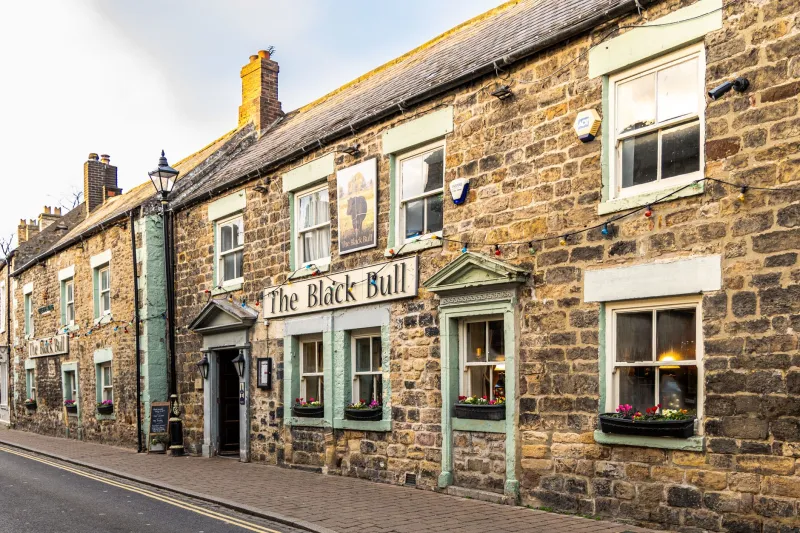
Mud, Maps and a Fireside Pint: The Country Pub Stop, Done Properly
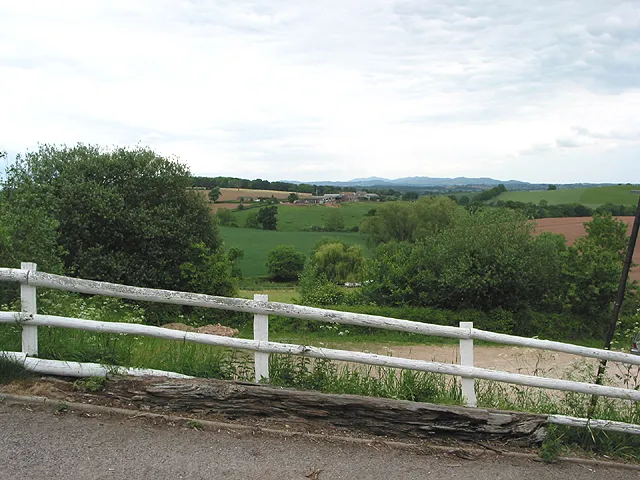
Photo: Pauline Eccles, CC BY-SA 2.0, via Wikimedia Commons
Some pubs are destinations. The best country pubs are punctuation. They are the full stop at the end of a walk, the comma in a cycle ride, the reason a dog suddenly remembers how to trot. You do not need a Michelin star to get this right. You need a boot rack, a warm room, a decent pint and a landlord who understands that wet trousers are not a crime.
The boot test
Before you even get to the bar, judge the entrance. A proper country pub has somewhere to scrape, sit and wrestle off a boot without hopping into a stranger. A rack, a mat, a bench, a hook — it does not have to be grand. It has to exist.
The same goes for wet coats. A walker in November is a walking puddle. A pub that welcomes walkers gives them somewhere to hang the evidence. A pub that glares at muddy footprints has misunderstood the countryside it sits in. There is a difference between a clean pub and a pub that is hostile to the weather. The best ones manage both: tidy enough to feel cared for, relaxed enough to let the mud in.
Dogs are not a footnote
Dog-friendly should mean more than a bowl by the door and a sign saying so. It should mean water that is actually fresh, a bit of floor space where a wet spaniel can settle, and staff who know which table is least likely to end in a tail-related incident. A jar of dog biscuits behind the bar is a small thing that says a great deal.
There are rules, of course. Keep the lead on unless invited otherwise. Keep the dog off the upholstery. Do not let it inspect another table's pie. But a countryside pub that gets dogs right tends to get people right too. Walkers trust a place that trusts their dog.
The walker's checklist
A good stop starts before the pint. Does the pub have a local map on the wall, or at least someone behind the bar who can point out a circular route without sending you into a bog? Are there benches outside for the boot-and-flask crowd? Is there a bike rack, or a bit of wall where bikes can lean without blocking the door? Can you fill a water bottle?
These sound like small practicalities. They are actually hospitality. A pub that knows its own footpaths, bus times and taxi numbers is a pub that sees walkers as part of its community rather than a nuisance on a Saturday afternoon.
The pint after the hill
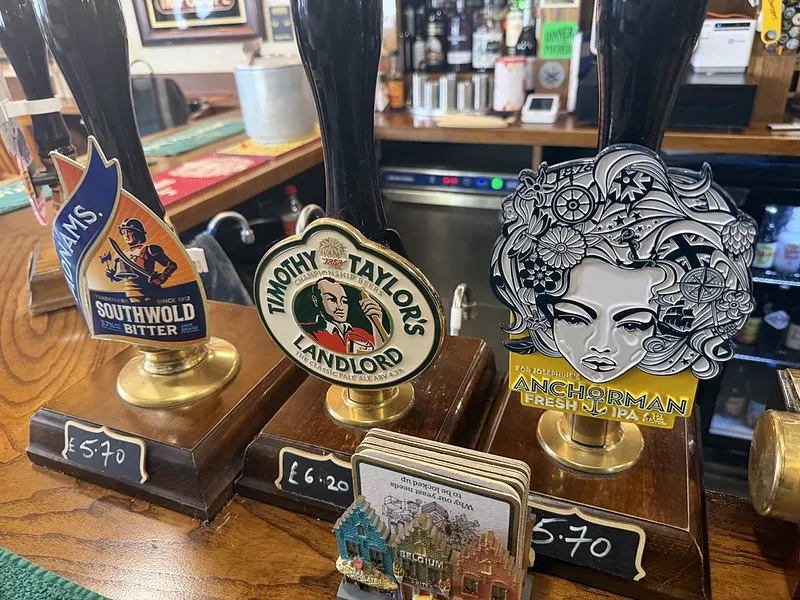
Cask ale is the natural reward. Not because it is fashionable, but because it is made for the job: lower in alcohol than many craft keg beers, full of flavour, and best served at cellar temperature rather than Arctic cold. After eight miles, a 3.8% bitter with a good hop finish is a finer thing than a 6% hop bomb that ends the afternoon early.
A pub worth walking to looks after its cellar. The beer should be clear, the lines clean, the sparkler used according to local custom, and the staff should know what is on and how it is tasting. If you ask for a taste before you commit, nobody worth their salt will mind.
Bar snacks matter
A country pub does not need a tasting menu. It needs a pork pie with proper jelly, a wedge of local cheese, a scotch egg with a runny middle, a bag of crisps that has not been sitting open since Tuesday, and chips that arrive hot. Generosity is part of the contract. A walker who has been out in the wind does not want a thimble of soup and a lecture on fermentation.
The best bar snacks are the ones that bridge the gap between arriving and eating properly. They buy you time by the fire. They go with a pint. They say the kitchen is awake.
The fire is not a prop
A real fire is a wonderful thing. A fire that is lit in July is worrying. A fire that is unlit in November is worse. The point is not the Instagram shot of flames; it is the dry heat, the smell of woodsmoke, and the way a room settles when people are warm.
A good fireside table is not too close, not too far, and not reserved by a party of twelve who have only come in for one drink. It is the heart of the room. Protect it.
The welcome that makes the walk
In the end, the checklist is simple: somewhere to put your boots, a bowl for the dog, a map on the wall, a generous snack, a well-kept pint and a fire that earns its keep. But the thing that makes a countryside pub worth the walk is harder to list. It is the feeling that you have arrived somewhere, not just stopped.
It is the landlord who asks where you have been. The table that is a bit too close to the next one, in the best way. The dog asleep under the bench. The second pint you did not plan to have. That is the country pub at its best: not a museum of rural life, but a living room at the end of a footpath.
So pull on the boots. Clip on the lead. Check the map. The fire is lit, the ale is settling, and the walk is only half the point.