Beyond the Gate: How a Three-Mile Menu Shapes a Woolpack Plate
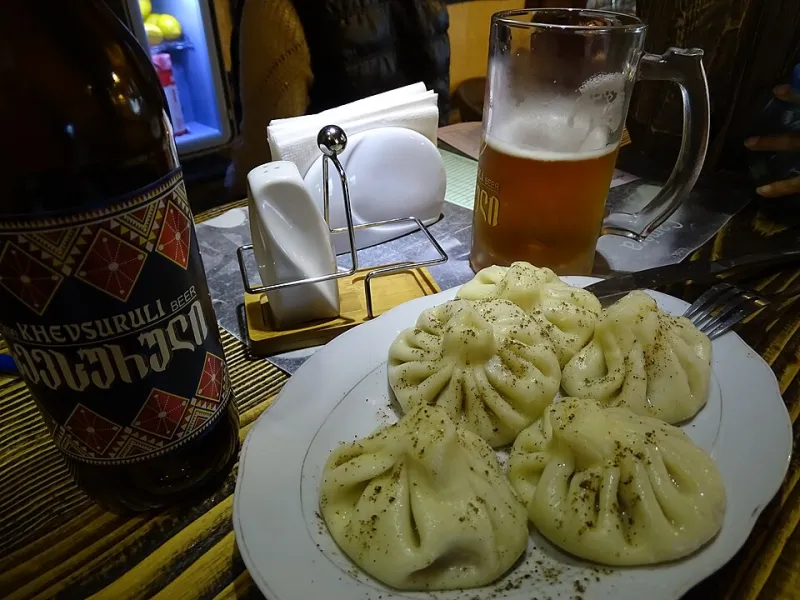
Photo: Adam Jones from Kelowna, BC, Canada, CC BY-SA 2.0, via Wikimedia Commons
Local is a word that can mean almost anything. On some menus it means the county; on others it means the country. At The Woolpack Inn we use a tighter, more useful measure: the three-mile menu. It is not a religion and it is not a guarantee. It is a working boundary that shapes the way we buy, cook and write the specials board — and it makes for better conversations at the bar.
What the three-mile menu actually is
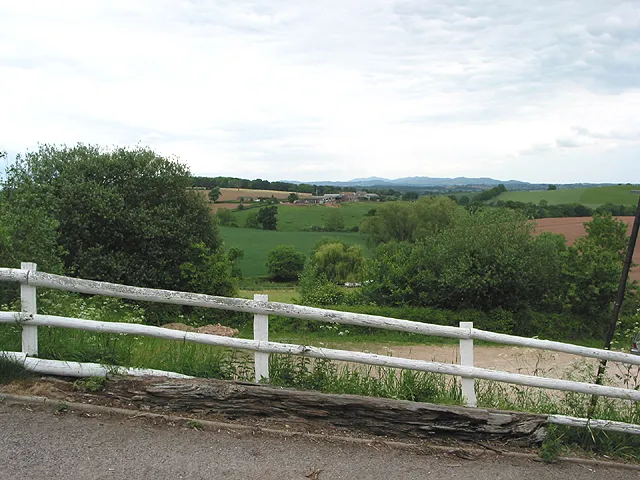
The idea is simple. Where we can, we look first at growers, makers and breeders within roughly three miles of the pub door. That might be a mixed farm up the lane, a dairy that turns its own milk into cheese, a market garden behind a hedge, or a brewer whose casks arrive on a small van rather than a lorry. If a product is not available within that radius, we widen the circle rather than pretend otherwise.
That last point matters. A three-mile menu cannot stock coffee, pepper, olive oil, lemons or chocolate. It will not give you a pineapple in February. We are not trying to build a self-sufficient island. We are trying to make the local ingredients count, and to be honest about the rest.
The neighbours behind the plate
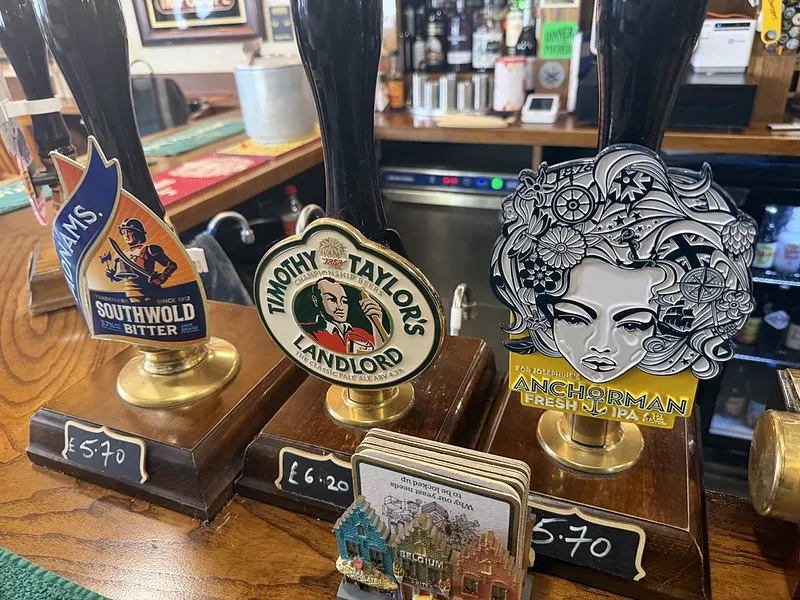
A pub menu is only as good as the people who supply it. Ours begins with the farm that rears beef and lamb on grass a short walk from the kitchen door. It continues with the cheesemaker who matures wheels in a converted barn and can tell you which field the milk came from. There is the grower who arrives with crates of kale, beetroot and courgettes in the sort of quantities that force a kitchen to be creative. And there is the brewer whose cask ale is delivered fresh enough to still taste of the hop room.
Those relationships are not romantic. They involve phone calls, weather forecasts, last-minute substitutions and a certain amount of good-natured haggling. But they do something a national supply chain cannot: they give a plate a postcode. When the pie of the day is made with beef from the farm up the road, and the cheese board is built around a neighbour's cloth-bound cheddar, the menu stops being a list and starts being a map.
Seasons, not slogans
The three-mile menu is seasonal because the countryside is seasonal. In spring, the kitchen leans on early greens, wild garlic, new potatoes and the first of the lamb. Summer brings tomatoes that actually taste of sun, soft fruit, salad leaves and a rush of courgettes that has to be used somehow. Autumn is roots, game, apples and the beginning of proper pudding weather. Winter is brassicas, stored vegetables, slow braises and pies with a lid on.
This is where a local menu becomes practical rather than preachy. If the grower has a glut of beetroot, the specials board has beetroot. If the weather has ruined the salad crop, the salad is off. If the cheese is not ready, it is not ready. A menu that follows the seasons has to be flexible, and a kitchen that follows a three-mile rule has to be good at plan B.
The trade-offs we do not hide
Sourcing close to home is not automatically cheaper, easier or better. Small farms cannot always supply the volume a busy weekend demands. A local cauliflower in February may mean a polytunnel or a carefully stored crop; a lemon still has to come from somewhere warmer. Weather can wipe out a crop, and one bad month can change a dish.
There is also the question of consistency. A national supplier can promise the same potatoes every week. A nearby grower can promise the best potatoes they have, which is a different thing. We would rather tell you that the greens are chard instead of spinach than serve something bland and call it local.
And yes, there is a cost. Small-scale production, shorter journeys and personal relationships do not always fit neatly into a pub budget. We think the plate is worth it, but we are not going to pretend it is free. The honest version of local sourcing is a balance: some things come from three miles away, some from thirty, and some from the wider world because that is what a working kitchen needs.
What that looks like on a plate
It looks like a ploughman's with cheese from the dairy down the lane, chutney made from orchard apples, pickles from the kitchen and bread from a bakery that still bakes before dawn. It looks like a pie with beef from the farm up the road, potatoes from the store, and greens that arrived that morning. It looks like a bowl of chips, because a pub is still a pub, and a pint of cask ale from a brewery that knows our cellar.
It also looks like the questions we like to hear. Where is the cheese from? Who grew the beetroot? Is the ale brewed nearby? Those questions are the whole point. A three-mile menu is not a certificate to hang on the wall. It is a way of keeping the menu connected to the fields, farms and fermenting rooms around us.
So when we say local at The Woolpack Inn, we mean something specific and something limited. We mean a first look at the neighbours, a proper respect for the seasons, and a willingness to admit what has travelled further. The result is not a perfect menu. It is a truthful one — and that tends to taste better anyway.