Under the Flagstones: What a Winter Pint Asks of the Cellar
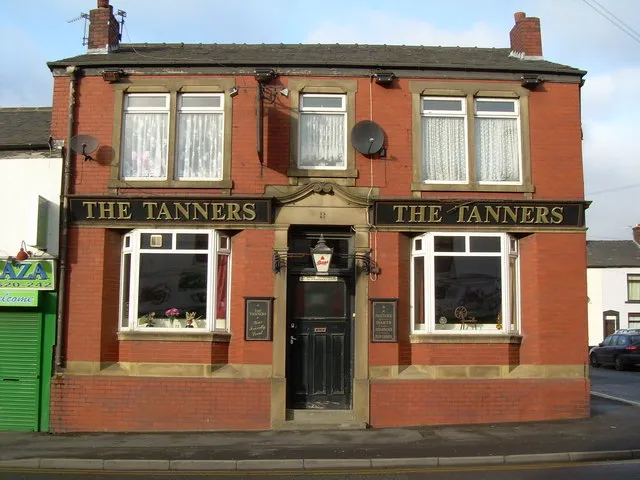
Photo: ANDY RAMMY, CC BY-SA 2.0, via Wikimedia Commons
There is a moment, somewhere between the first cold snap and the first proper frost, when the pub changes gear. Coats come in heavier. The fire earns its keep. And down below the bar, in a room most drinkers never see, the cellar has a different job to do. A winter pint of bitter is not merely poured from a tap; it is kept, settled, vented and watched. The warmth above and the cool below have to agree on something, and the hand pump is where that agreement is finally tasted.
The room you do not see
A country inn has a quiet engine, and it is usually under the flagstones. The cellar is not a dramatic place. It is cool, dim, faintly malty, and full of small decisions. Casks rest on stillage. Lines run clean and cold. The thermometer is checked more often than the conversation in the bar would suggest. In summer, the struggle is keeping things cool enough. In winter, the struggle is subtler: resisting the urge to let the cellar drift, or to over-chill a beer simply because the weather outside has made everyone think cold thoughts.
Cask ale is a living thing in a way that a sealed keg is not. It has yeast, condition and a sense of timing. It needs time to drop bright, time to vent, and a steady temperature that lets the malt and hops speak without either being muffled. A cellar that is too warm will hurry a cask along; too cold and the beer turns dumb, its aromas tucked in like a scarf. The aim is not refrigeration for its own sake. It is steadiness.
What a cold snap changes
When the temperature outside falls, the cellar can become a victim of its own success. It is already cool, so it is tempting to leave it alone. But a cask is not a bottle of milk. It responds to the room around it, to the pace of trade, and to how long it has been on stillage. A quiet Monday and a busy Saturday ask different things of the same pint. The landlord who understands this will tap, vent and sell in a rhythm rather than to a rota.
Winter also changes the drinker. We reach for darker beers, for bitters with a bit of biscuit, for porters and stouts that feel like an extra layer. That is not just psychology. A well-kept winter bitter at cellar temperature has a roundness that a chilled summer pint can hide. The hops are still there, but they are joined by malt, by a gentle sweetness, by the sort of finish that makes you put the glass down and say nothing for a second.
Listening at the hand pump
You can learn a lot about a pint before you taste it. At the pump, a healthy cask ale should come through with a soft, steady pull rather than a gasp or a splutter. The sparkler, if the pub uses one, should give a tight head without turning the beer into foam. A pint that is all collar and no condition is trying too hard. A pint that dribbles flatly into the glass is telling you the cask has been waiting too long or the cellar has not been kind.
Then there is clarity. A winter bitter need not be crystal bright to be good, but it should look settled rather than agitated. A faint haze can be honest; a pint that looks like a snow globe is not. The aroma should reach you before the first sip: earthy hops, a little orange peel, maybe a whisper of stone fruit or toasted crust. If you get nothing but cold, the beer is probably too cold. If you get nothing at all, it may be tired.
Why November tastes different
The same beer can taste different in November, and not only because the fire is lit. Temperature changes the way we perceive bitterness and sweetness. A cellar kept at a steady coolness allows the malt to come forward without flattening the hops. The pub itself changes too: the low ceiling, the wet coats, the smell of logs and gravy. A pint is never only a pint. It is a pint in a place, at a time, with a plate nearby.
That is why the simplest fireside food often suits a winter bitter best. A wedge of mature Cheddar, a slice of good bread, a few pickled onions and a spoonful of chutney do not compete. They give the beer something to push against. The salt in the cheese lifts the malt; the vinegar in the pickle cuts through it; the bread reminds you that this is a pub, not a tasting laboratory. It is a plate that lets the pint speak for itself.
A quiet engine, kept honest
The cellar will never be the star of a winter evening. It does not need to be. Its work is done in the background, in clean lines and steady temperatures, in casks given time and pints pulled with patience. But when the fire is crackling, the windows have steamed up and the hand pump is working as it should, you can taste that quiet work. It is the difference between a cold drink and a proper winter pint.
So next time you settle into the Woolpack with a bitter and a plate of bread and cheese, give the first sip a moment. Somewhere beneath you, the cellar has been keeping its side of the bargain.