The Teapot on the Bar: Why the Afternoon Lull Deserves a Proper Slice
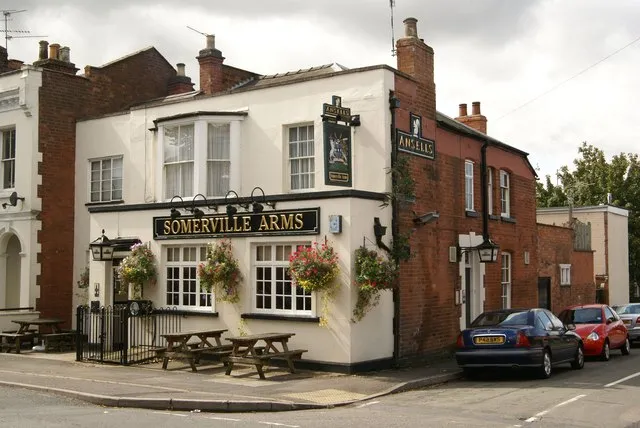
Photo: Colin Craig, CC BY-SA 2.0, via Wikimedia Commons
There is a particular hour in a country pub that rarely gets its due. The lunch plates have gone back, the last coffee has been drained, and the evening crowd is still an idea rather than a queue at the bar. The fire has settled into itself. Someone is stacking glasses. The hand pumps stand ready but unhurried. This is the afternoon lull, and it is one of the most generous hours the Woolpack has to offer.
It is not a time for a full meal, and it is not quite a time for a pint. It is a time for a pot of tea and a slice of something honest. Not a tearoom spread with three tiers and a dress code, but a pub offering: a warm room, a proper cup, and a cake or bun that earns its place beside the bar.
The hour nobody booked
Afternoon tea in a pub is not an event. That is the point. It is what happens when you have walked a little too far, or when the rain has come on harder than forecast, or when you have finished the shopping and cannot quite face the drive home yet. It is a pause with a teapot in the middle of it.
At the Woolpack, we like the idea of keeping that pause simple. No reservation needed, no ceremonial procession from kitchen to table. You sit down. You are asked what you fancy. A pot arrives. A slice arrives. The room carries on around you, quietly. In a village inn, that is hospitality in its plainest and most useful form.
Leaf first, bag later
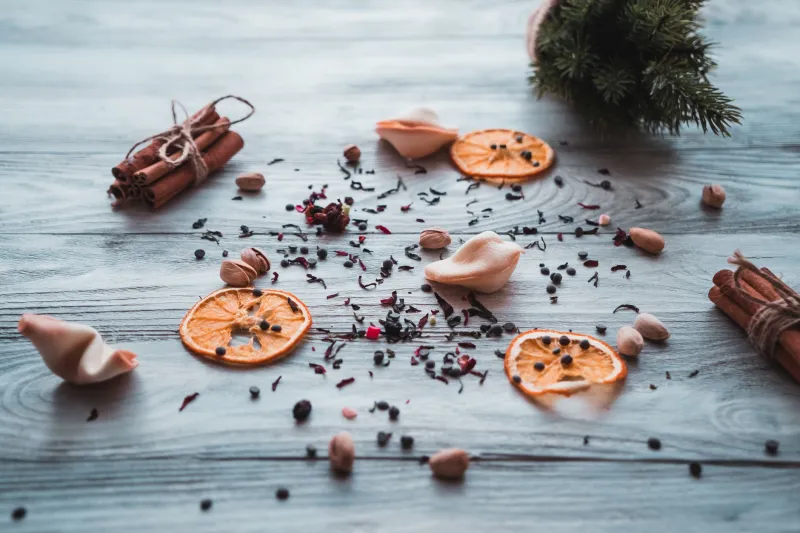
If you are going to make the case for the afternoon pot, start with the tea itself. A bag in a mug has its place, usually at home before work, but it is not the same thing. Loose leaf in a warmed pot gives you a cup with a bit more body and a bit more scent. It also slows the whole business down, which is half the appeal.
We keep things straightforward. A good English Breakfast, something a little brighter for the middle of the day, and perhaps an Earl Grey for the person who always asks for it. The pot should be warmed, the water should be properly hot, and the tea should be left alone for long enough to become itself. A small jug of milk on the side. A saucer that does not rattle. That is most of the work done.
There is a practical note here, too. A pot for one is often two cups, which is exactly the right amount for a quiet afternoon. A pot for two is a conversation. Neither needs a timer or a lecture. The point is not to turn the pub into a tea salon. The point is to make a decent cup taste like it was made for you.
A cake that knows its place
The food should follow the same rule: modest, fresh, and not trying too hard. A rotating cake stand or a short list on the bar is enough. Fruit loaf, cut thick and buttered. A ginger cake with a bit of warmth to it. Flapjack, perhaps, for the walker who wants something that travels well in the pocket. A plain scone with jam and cream is welcome, but it does not need to become a production.
What matters is that the slice belongs in a pub. It should sit comfortably beside a pint, not look as though it has wandered in from a wedding buffet. It should be easy to serve, easy to eat, and good enough that someone orders a second pot to go with it. A cake that has been made earlier in the day and kept under a cloth will always beat one that has been ordered in and left in a box.
There is also something to be said for a bun. A bath bun, a Chelsea bun, a simple iced bun with a cup of tea is a very British kind of afternoon. It does not need a menu description. It needs to be fresh, generous, and within reach of the bar.
Service without ceremony
The afternoon lull is not a service period that needs a script. It needs someone behind the bar who knows how to make a pot of tea and is happy to do it. That sounds obvious, but it is the whole thing. A warm welcome, a clean cup, and a slice that has not been sitting uncovered since morning. No fuss, no upsell, no asking whether you want a full afternoon tea when you only wanted a cup.
At the Woolpack, the afternoon hour is kept deliberately light. We are not trying to compete with a tearoom. We are trying to be the pub you pop into because the fire is on and the kettle has just boiled. If you want a pot and a slice, you can have one. If you want to sit with it and read the paper, that is fine too. The room is yours for an hour.
Why it belongs in a pub
A country pub is many things at once: a place for a pint, a plate, a conversation, a bit of shelter. Afternoon tea fits into that without changing the character of the place. It is not a trend or a gimmick. It is simply another way of looking after people, especially in the colder months when the light goes early and the walk back to the car feels longer than it did at lunchtime.
It also suits the rhythm of the building. The lunch rush has its energy. The evening has its own. The afternoon is the breathing space between them. A teapot and a slice make that space feel intentional rather than empty. They give the room a reason to stay warm.
So if you find yourself passing on a grey November afternoon, or a bright but biting one, look for the pub with the lights on and the door open. Ask for a pot and whatever is on the cake stand. Sit by the window or by the fire. Let the afternoon take its time. That, too, is countryside hospitality, and it costs very little to do well.