The November Larder: Why Game Belongs Beside the Hand Pumps

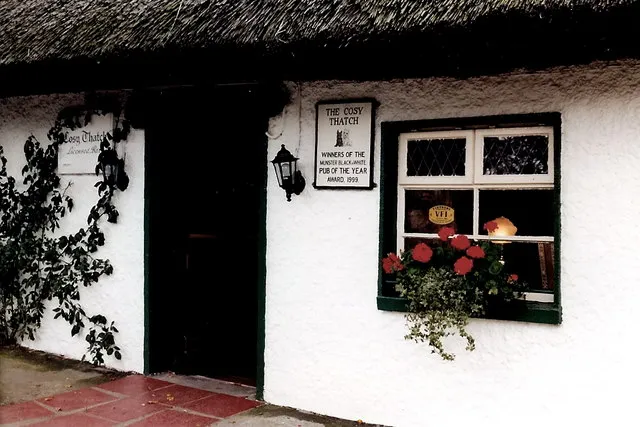
Photo: Colin Craig, CC BY-SA 2.0, via Wikimedia Commons
November has a particular feel in the countryside. The leaves are mostly down, the lanes are muddy at the edges, and the evenings arrive early enough to make a fireside pint feel less like a treat and more like common sense. It is also the month when game comes properly into its own. Pheasant and partridge are on the menu, venison is at its best, and the pub kitchen has a short, welcome window to make the most of both.
At the Woolpack, game is not a novelty to be wheeled out with a flourish and a tasting note. It is good, honest seasonal food that suits a village inn down to the ground — provided it is sourced carefully, cooked sensibly, and served without fuss.
Sourcing With a Short Leash
Game has a reputation for being either wildly expensive or vaguely mysterious. Neither helps. The practical answer is to work closely with local estates and a reputable game dealer, keeping the supply chain short and the conversation honest. We want to know where the birds and the venison come from, how they have been handled, and whether the season is running early or late. That is not foodie theatre; it is just good kitchen practice.
Pheasant and partridge are the mainstays of the November larder. Venison, depending on the source, gives us something richer and deeper for the colder nights. The point is not to chase the rarest thing on the estate. It is to use what is plentiful, properly prepared, and suited to the plates we actually want to serve: pies, braises, roasts, and robust pub food that stands up to a pint.
Respect matters here. Game is not a trophy. It is an animal that has lived in the landscape we are lucky enough to call home, and it deserves to be used well — not just the prime cuts, but the whole thing where possible. Stocks, sauces, pies and specials all have a part to play in making sure nothing decent goes to waste.
Respectful Cooking, Not Fussy Plating
Game can be ruined in two directions: by treating it like a challenge to be tamed, or by dressing it up until it forgets what it is. Pheasant is lean and can dry out if it is shouted at. Partridge is delicate and quick. Venison rewards a bit of patience and a good braise. None of them need a tower of foam to make their case.
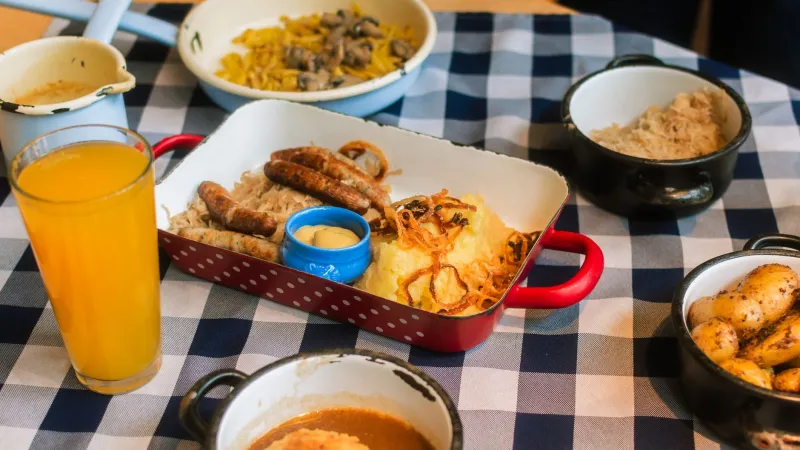
In the pub kitchen, that means using fat, stock and root vegetables with a bit of confidence. A pheasant and mushroom pie with a proper suet crust. Partridge roasted simply and served with greens and a generous spoon of something sharp. Venison braised until it gives way at the touch of a fork, with mash and a dark, glossy sauce. These are plates that feel at home in a warm room with a hand pump in sight.
There is also a practical argument for keeping game in the pub repertoire. It is seasonal, which forces a useful discipline on the menu. It gives the kitchen a reason to talk to local suppliers. And it offers something different without demanding that customers know chapter and verse about shooting or butchery. You can enjoy a game pie without a lecture.
The Cask Ale Match
Wine lists tend to get the pairing headlines, but cask ale is a natural partner for game. A good best bitter has enough bitterness to cut through the richness of venison and enough malt to sit alongside a pheasant pie. A milder ale can work beautifully with partridge, letting the bird lead. A porter or stout, meanwhile, is a fine cold-weather match for a slow-braised venison dish.
The pub advantage is that you can order a pint, take your time, and let the food and the beer settle together. Cask ale is not about showing off. It is about balance, and game — earthy, savoury, sometimes a little gamey — responds well to that. A hand-pulled pint and a plate of game is one of the most sensible November combinations going.
Why the Village Inn, Not Just the Dining Room
Game has a long history in British pubs. It has been baked into pies, potted, roasted and braised in inn kitchens for generations. Somewhere along the line it became associated with white tablecloths and hushed dining rooms, which is a shame. A village pub is exactly the right place for it: relaxed, local, and close to the land.
The Woolpack is not trying to turn November into a shooting-party theme night. Nor are we pretending that every pub must put game on the menu. But there is a strong case for the village inn as a natural home for seasonal food that is sourced nearby and cooked with care. It keeps money in the local food chain, gives customers something that changes with the calendar, and puts a bit of wildness on a plate without making a performance of it.
So November’s menu will lean into the season where it can. Pheasant, partridge, venison. A pie, a braise, a roast. A pint alongside. Nothing overworked, nothing wasted, and no need to dress it up as anything more than what it is: good food, in the right room, at the right time of year.