Cork, String and Village Weather: What the Pub Board Still Does Best
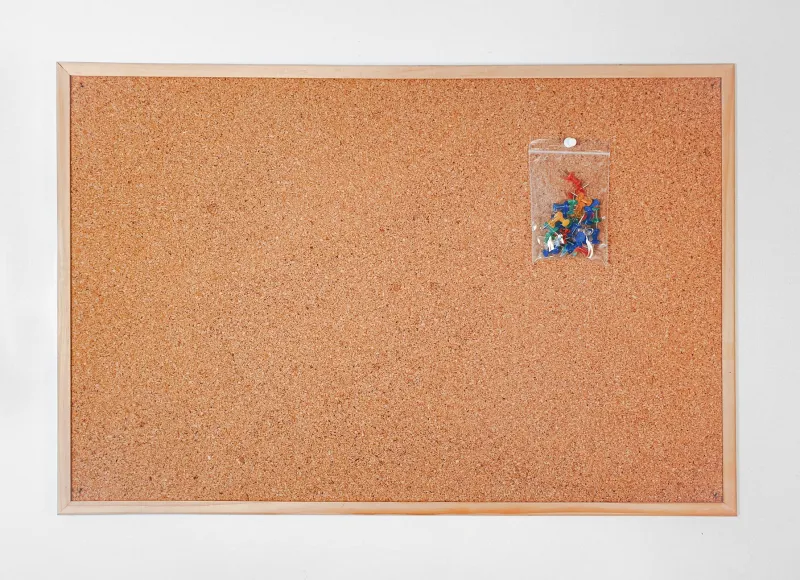
At The Woolpack Inn, the first welcome is rarely spoken. It hangs just inside the door: a rectangle of cork, a sheet of glass, a few brass pins and a fringe of curling paper. Before you have found a seat, let alone ordered a pint, the board has told you that the choir is short of tenors, that someone has lost a ginger cat near the ford, and that there are still a few places left for the autumn seed swap. It is not a noticeboard in the corporate sense. It is the village’s memory, pinned up in public.
A Board With a Memory
Most pubs have one. Few give it much thought. But a good inn treats the board as part of the room, in the same way it treats the fire, the worn flagstones and the hand pumps. It should be readable without being fussy, generous without becoming a scrapheap, and local without turning into a private club. The notices are not decoration. They are the small print of belonging.
On any given week ours might carry a handwritten appeal for a lift to the station, a poster for the parish council meeting, a card advertising eggs at the end of the lane, and a typed plea from the quizmaster for one more team to make up the numbers. There is usually something slightly damp, something slightly out of date, and something that has been moved three times because it keeps falling behind the glass. That is not untidiness. That is weather, geography and human nature doing their work.
The News That Never Makes It Online
The internet is excellent at announcements. It is less good at atmosphere. A village pub board catches the things that would never justify a social media post: the spare apples in a wheelbarrow, the missing boot, the church cleaning rota, the fact that the bridge is closed again. These are not headlines. They are the quiet infrastructure of a place.
That matters to a guest, even one who has come only for lunch. A noticeboard tells you what kind of room you have walked into. It tells you whether the pub is the centre of something or merely beside it. It says that the person who runs the choir also drinks here, that the seed swap is real, that the lost dog has a name and a family who miss it. You do not need to join in. But you are allowed to understand where you are.
There is also a useful honesty to a pub board. It cannot be too polished. The instant it looks like a brand exercise, the life goes out of it. A good board is allowed to be slightly crooked. It should look as if someone stood on a chair, pushed a pin in, and got back down before the kettle boiled.
Curation Is a Kind of Welcome
That said, a board does not curate itself. Left alone for a month it becomes a thicket of old raffle tickets and faded gig posters. The Woolpack’s approach is simple: keep it current, keep it local, and keep the top half for what a visitor might actually need. Taxi numbers. A walking route note. The date of the next quiz. A reminder that the kitchen stops serving at a sensible hour. The lower half can carry the village’s wider life — the choir, the produce swap, the parish notices, the small ads.
This is not about being tidy for its own sake. It is about respecting the guest’s attention. A board that is carefully kept says the same thing as a well-poured pint: someone has thought about you before you arrived. It says the pub is not just putting things out; it is putting things in order. In a small way, that is hospitality.
What the Board Says About the Pint
Cask ale has a similar logic. It is a living thing, best when looked after, best when not over-explained, best when served in a room where people are actually talking. The noticeboard and the hand pump belong to the same tradition: local, seasonal, slightly variable, and all the better for it. One tells you what the village is doing. The other tells you what the cellar has been doing. Together they make a convincing case that the pub is still a place where things happen.
So the next time you come through the door at The Woolpack, pause by the board. Read the lost cat notice. Note the quiz date. Check whether the choir still needs a tenor. You are not delaying your pint. You are reading the room. And in a country inn, that is half the welcome.